A Comprehensive Look at Guide Dogs
A guide dog, often known as a seeing-eye dog, is much more than a pet; it is a highly trained working animal and an essential partner for a person who is blind or has a significant visual impairment. T
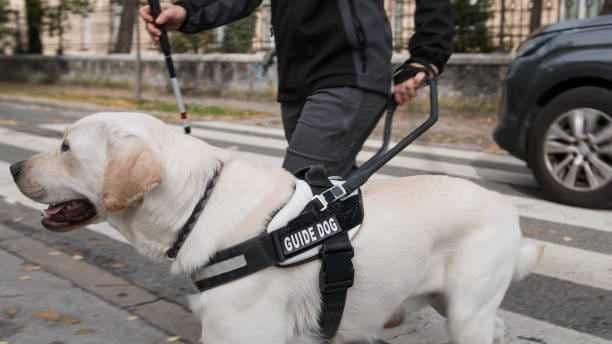
A guide dog, often known as a seeing-eye dog, is much more than a pet; it is a highly trained working animal and an essential partner for a person who is blind or has a significant visual impairment. These remarkable dogs provide their handlers with a profound sense of independence, confidence, and the ability to navigate the world with greater safety and freedom.
The primary role of a guide dog is to act as a mobile navigator for its handler. For instance, if the handler instructs the dog to cross a street but a car is approaching, the dog will refuse to move until the path is clear. Beyond this, their duties include skillfully guiding their handler around obstacles both on the ground and at head level, stopping reliably at all curbs and stairs, and learning to find specific destinations like doors, chairs, or elevator buttons on command. They are constantly aware of their environment, using their own judgment to ensure the team's safety.
The journey to becoming a guide dog is a long and carefully managed process, typically taking around two years from birth to graduation. It begins with selective breeding programs focused on health, temperament, and intelligence, with Labrador Retrievers, Golden Retrievers, and German Shepherds being common choices. The first crucial stage is the puppy-raising period, where a volunteer family socializes the young dog, teaching it basic obedience and exposing it to a wide variety of public settings. After about a year to eighteen months, the dog returns to a specialized school for intensive professional training. Here, it learns to master its skills using a special harness with a rigid handle, navigating complex routes and honing its judgment. The final phase is a team training course, where a visually impaired individual is carefully matched with a dog that suits their personality and pace. They then train together for several weeks, forging the bond of trust and communication essential for their future partnership.
This partnership is a true two-way street. The handler is responsible for giving directional commands, maintaining overall situational awareness, and providing for all of the dog's daily care, including feeding, grooming, and affection, especially when the harness is off. The relationship is built on mutual dependence and deep respect.
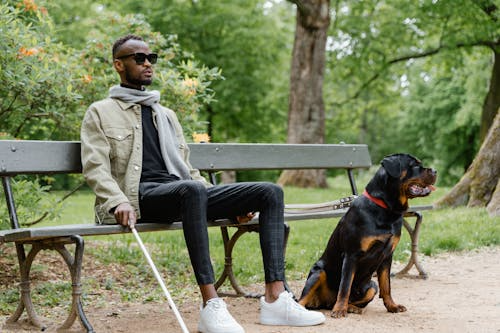
When you encounter a guide dog team in public, it is vital to remember that the dog is on duty. The most important rule of etiquette is to not distract the dog in any way. This means you should not pet, talk to, whistle at, or offer food to the dog. Never grab the person or the dog's harness, as this can be dangerously disorienting. If you wish to offer assistance, the best approach is to speak directly to the handler and ask if they would like help, respecting their answer if they decline. It is also kind to give the team plenty of space to navigate.
While guide dogs are a well-known type of assistance dog, it's worth noting that others serve different purposes, such as hearing dogs for the deaf or service dogs for individuals with mobility or medical conditions. The common thread is that all are working animals dedicated to their handlers' safety and independence, and they all deserve our respect and consideration. Ultimately, a guide dog is not just a tool but a loyal companion, offering both a path forward through the world and a profound, life-changing friendship.