Can dogs understand us better than our partners?
The studies suggest that dogs have evolved specific biological mechanisms that allow them to bypass the complexities of human speech and connect directly with our physiological state ...
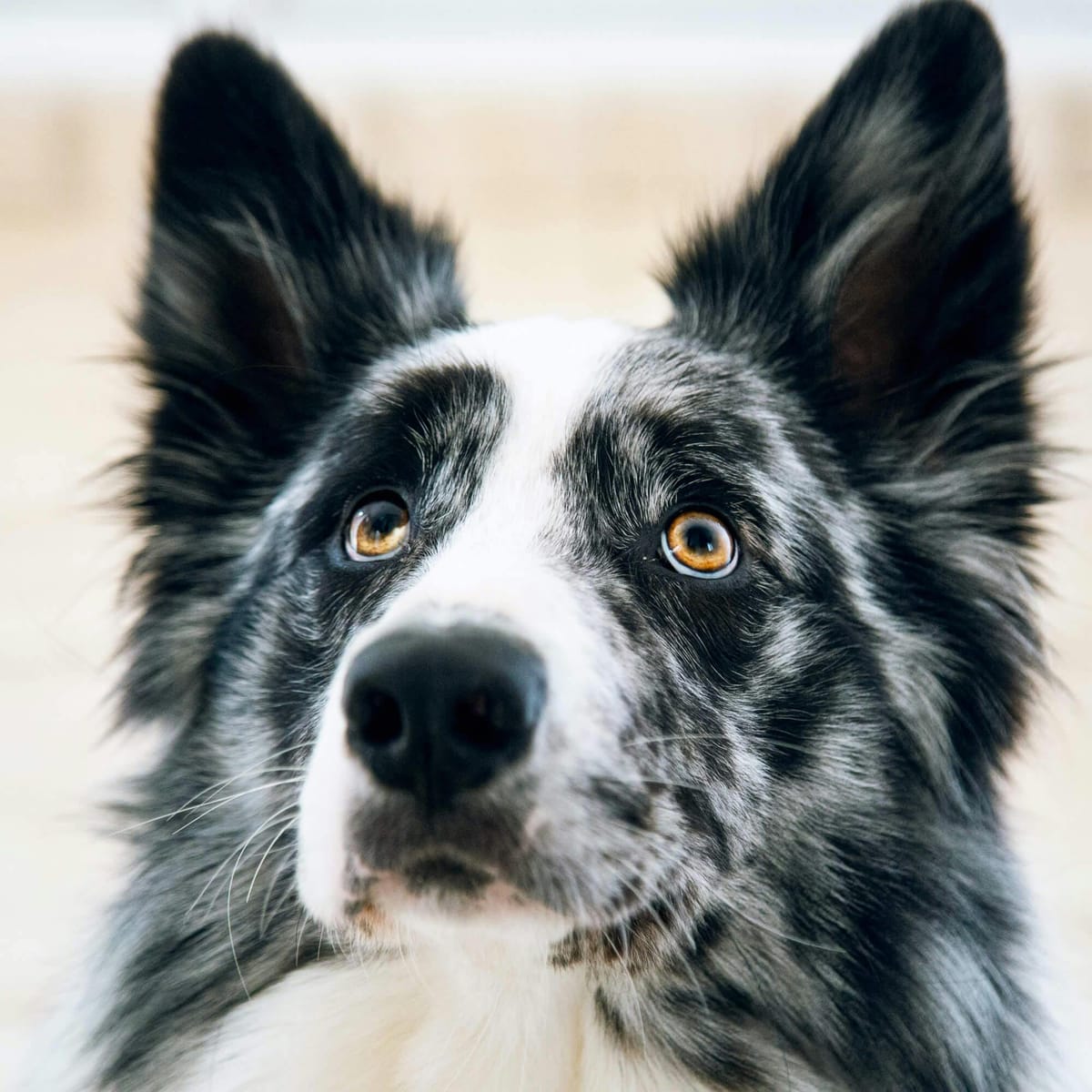
The studies suggest that dogs have evolved specific biological mechanisms that allow them to bypass the complexities of human speech and connect directly with our physiological state.
The Biological "Love Loop"
The most famous evidence for the human-dog bond comes from a 2015 study published in the journal Science. Researchers in Japan discovered that when dogs and their owners gaze into each other’s eyes, both experience a massive surge in oxytocin, the hormone responsible for maternal bonding and trust. While human partners also experience oxytocin spikes, the study found that this specific "loop" where the dog’s gaze triggers the human’s hormone release, which in turn triggers more of the dog’s, is virtually unique in the animal kingdom. It is a biological feedback system that mirrors the bond between a mother and her infant, creating a level of subconscious trust that often exceeds what we feel with other adults.
Neurological Atonement
Using functional MRI (fMRI) machines, neuroscientists at Eötvös Loránd University in Hungary have mapped the dogs brain to see how it responds to human stimuli. Their findings were ground breaking: dogs have dedicated "voice areas" in their brains that process the emotional tone of human speech similarly to how humans do. They aren't just hearing sounds; they are analysing the inflection and prosody to determine our mood. Furthermore, dogs are the only non-primate species known to show a "left gaze bias" when looking at human faces. Because the right side of a human face (which is on the dog's left) more accurately reflects true emotion, dogs instinctively scan that side first. They are essentially performing a neurological "fact-check" on our facial expressions to see if our true feelings match the words we are saying.

The Chemical "Scent" of Stress
While a human partner might ask, "Are you okay?" and accept a "Yes, I'm fine" as an answer, a dog relies on a much more honest data point: scent. A 2022 study published in PLOS ONE demonstrated that dogs can accurately detect the chemical changes in human breath and sweat caused by psychological stress. When we are anxious, our bodies release cortisol and adrenaline, which have distinct "smells" that are invisible to humans but loud and clear to a dog’s 300 million olfactory receptors. The study showed that dogs could distinguish between a person's "relaxed" scent and their "stressed" scent with over 90% accuracy, even when the person was trying to remain outwardly calm.
Long-Term Stress Synchronization
Research from Linköping University in Sweden has taken this a step further by looking at long-term emotional harmony. By analysing cortisol levels in the hair of hundreds of dogs and their owners over several months, scientists found a striking synchronization. The stress levels of the dogs mirrored the stress levels of their owners almost perfectly. This suggests that dogs don't just "notice" our emotions; they actually absorb and reflect our long-term psychological states. This level of synchronization is rarely seen in human-to-human relationships, where individuals often maintain separate emotional trajectories.
The Conclusion of the Evidence
These facts prove that a dog’s understanding of us is not a matter of "reading our minds," but of reading our bodies. They are biological specialists in the human experience. While a partner listens to your words, which can be misleading or defensive, a dog monitors your oxytocin, smells your cortisol, scans your facial micro-expressions, and synchronizes their nervous system to yours. They provide a form of radical, evidence-based empathy that is literally hardwired into their DNA, making them the most attentive emotional witnesses in the history of our species.