Decoding the dog's wag.
The dog's tail is not just a rudder for balance; it is a living semaphore, a banner waving in the current of their deepest emotions ...
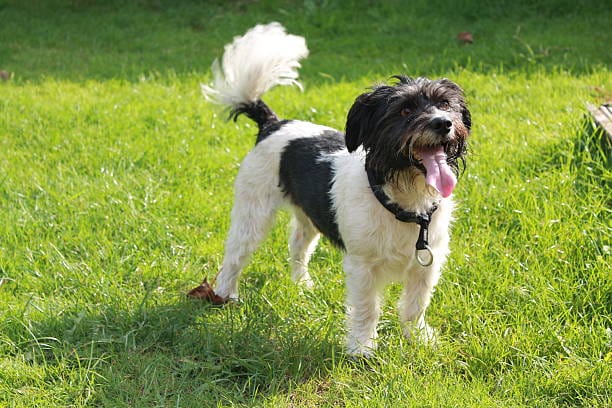
The dog's tail is not just a rudder for balance; it is a living semaphore, a banner waving in the current of their deepest emotions. We often assume a fast, sweeping wag means simple happiness, and while joy is certainly part of the equation, the truth is far more nuanced and fascinating. To truly understand what a dog is telling us, we must look beyond the speed of the motion and observe three critical factors: the height of the tail, the speed of the wag, and the direction of the sweep.
Dogs wag their tails for many reasons, and while people often think it always means happiness, the truth is a bit more complex. A dog’s tail is like a window into its emotions, a moving signal that can show excitement, fear, curiosity, or even uncertainty.
When a dog wags its tail loosely and in wide sweeps, it’s usually a sign of friendliness and comfort. You’ll often see this when a dog greets its favorite person or another friendly animal. The tail moves freely, and the dog’s whole body might wiggle along, showing genuine joy.
A tail that’s held high and stiff, moving quickly back and forth, tells a different story. That kind of wag can mean alertness or even agitation. The dog might be focused on something it perceives as a threat or challenge. It’s not always aggression, but it’s definitely a sign to approach carefully.
Sometimes a tail wag comes with shyness, when the tail is low, perhaps tucked between the legs, and moves only a little. This can mean the dog feels nervous or submissive. In these moments, gentle reassurance and space can help them feel safe again.
Interestingly, the direction of the wag can also say something. Studies have found that dogs tend to wag more to the right when they feel positive and more to the left when they feel uneasy. Even other dogs can pick up on these subtle signals, showing how deeply emotional and social their communication really is.

So, while a wagging tail often makes us smile, it’s worth taking a moment to look closer. The rhythm, height, and direction all tell part of one that helps us better understand what our dogs are feeling and how to respond with kindness and care.
A wagging tail is best understood as a dog's energetic emotional barometer, signaling everything from joyful excitement to nervousness or even a warning, depending on its height, speed, and the situation.
So, while a wagging tail often makes us smile, it’s worth taking a moment to look closer. The rhythm, height, and direction all tell part of a story, one that helps us better understand what our dogs are feeling and how to respond with kindness and care.