How dogs behave when they are left home alone at night.
For you, the night ahead holds dinner with friends, a late shift at work, or an evening out. For your dog, left behind in the quiet darkness, an entirely different world begins ...
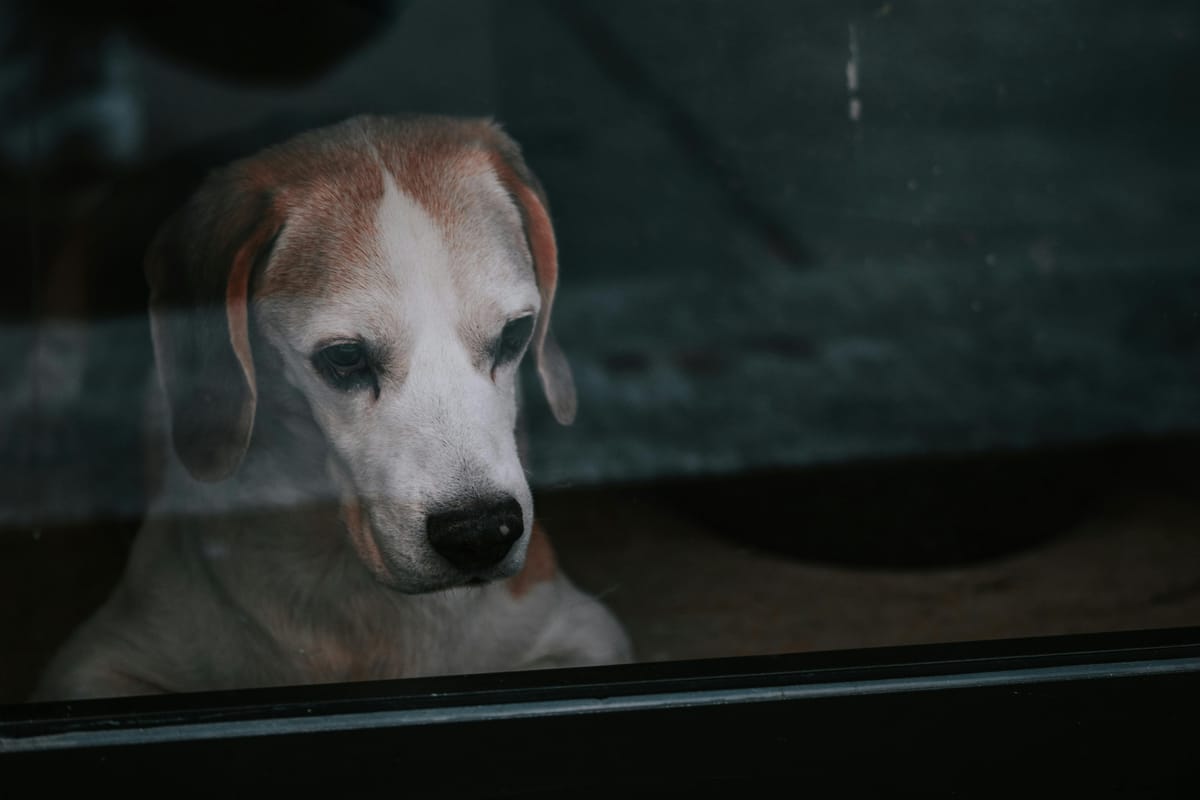
The front door clicks shut. The key turns in the lock. Your footsteps fade down the walkway, and then there is silence. For you, the night ahead holds dinner with friends, a late shift at work, or an evening out. For your dog, left behind in the quiet darkness, an entirely different world begins. What happens in those hours between your departure and your return is a secret they have never fully shared, a private ritual of solitude that reveals the depth of their connection to you and to the home you have built together.
In the first moments after you leave, most dogs do something that might surprise you. They do not immediately settle into sleep or run to cause mischief. Instead, they stand by the door. They sniff the crack where you disappeared, collecting the last traces of your scent. They may whimper softly or let out a single, questioning bark. This is not panic. It is simply acknowledgment, a dogs way of marking the transition from together to alone. They are processing your absence, and in their own way, saying goodbye until you return.
Once they accept that you have truly gone, a fascinating behaviour often emerges. Many dogs will make a slow, deliberate tour of the house. They walk from room to room, sniffing the air, checking the corners, pausing at windows. This is not anxiety. It is patrol, an ancient instinct inherited from their wild ancestors who guarded the den while the pack was away. Your dog is not destroying your home. They are protecting it. They are listening for unfamiliar sounds, watching for shifting shadows, standing guard over the territory you have entrusted to them. In the darkness, they become your silent sentinel.
After the patrol is complete, most dogs settle into a familiar routine. They visit the spots where you spend the most time. They might curl up on the couch where you watch television, rest their head on the pillow that still holds your scent, or lie down on the mat by the back door where you remove your shoes each evening. These are not random choices. They are deliberate acts of connection. Your dog is seeking the places where you exist most strongly, surrounding themselves with the smell and memory of you. It is their way of keeping you close even when you are miles away.
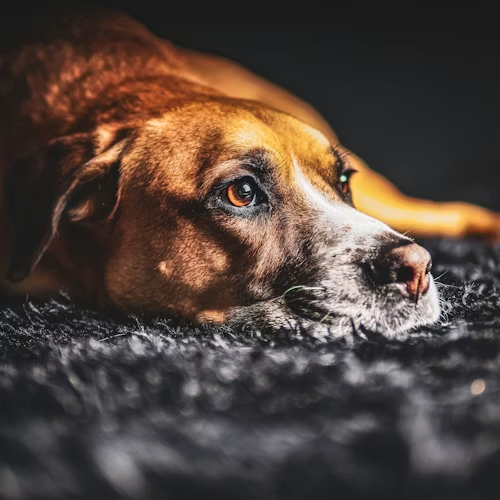
Sleep, of course, plays a large role in the night alone. Dogs are naturally crepuscular, meaning they are most active at dawn and dusk. The deep hours of darkness are often reserved for rest. But their sleep is not like yours when you are away. They sleep with one ear open, literally. A dog's hearing is so acute that they can detect the softest sounds while appearing completely unconscious. The crunch of a leaf outside, the distant bark of another dog, the rumble of a car that sounds like yours approaching the driveway. They register all of it, sorting between the meaningless and the important, always listening for the one sound that matters most. The jingle of your keys. Your footsteps on the path. Your voice calling out as you approach the door.
Some dogs, particularly those who are deeply bonded to their owners, engage in a behaviour that is both heart-breaking and beautiful. They wait. Not the active waiting of a dog by the door, but a quiet, patient waiting that stretches through the night. They do not entertain themselves with toys or explore forbidden rooms. They simply exist in a state of readiness, conserving their energy, preserving their attention, holding themselves in reserve for the moment you return. When they finally hear your car or your footsteps, their entire being transforms. The tail that hung still begins to wag. The eyes that seemed sleepy suddenly sparkle. The body that was curled in rest springs to life. They have been waiting for this moment all night long.
It is important to understand that most dogs handle the night alone with remarkable grace. They do not resent your absence or hold a grudge. They do not spend hours plotting revenge for the unfinished dinner or the missed evening walk. Instead, they adapt. They create a routine that carries them through the darkness. They guard the home. They rest in your favourites spots. They listen for your return. And when you finally walk through that door, they greet you not with accusations but with joy, not with complaints but with forgiveness. The night alone is forgotten the instant they see your face.
The summary of all this is a tender truth about the dog heart. When your dog stays home alone at night, they are not lonely in the way you might fear. They are not sad or abandoned or afraid. They are simply holding space for you, keeping the home safe and warm until you come back. They pass the hours by staying close to your memory, by guarding your shared territory, and by listening for the sound that makes their world whole again. Your dog does not see the night alone as a burden. They see it as their job, their gift to you, their way of saying that no matter how late it gets or how dark the hours become, they will be there when you return. They will always be there. And in that quiet, faithful vigil, waiting by the door with a wagging tail and a sleepy yawn, they remind you that you are never truly alone either. Someone is always watching the night for you.