How often should we clean our dog's bowl?
Your dog’s bowl deserves far more attention than most owners realize. What looks like a harmless layer of slime or a few dried kibble crumbs is actually a thriving microbial landscape ...
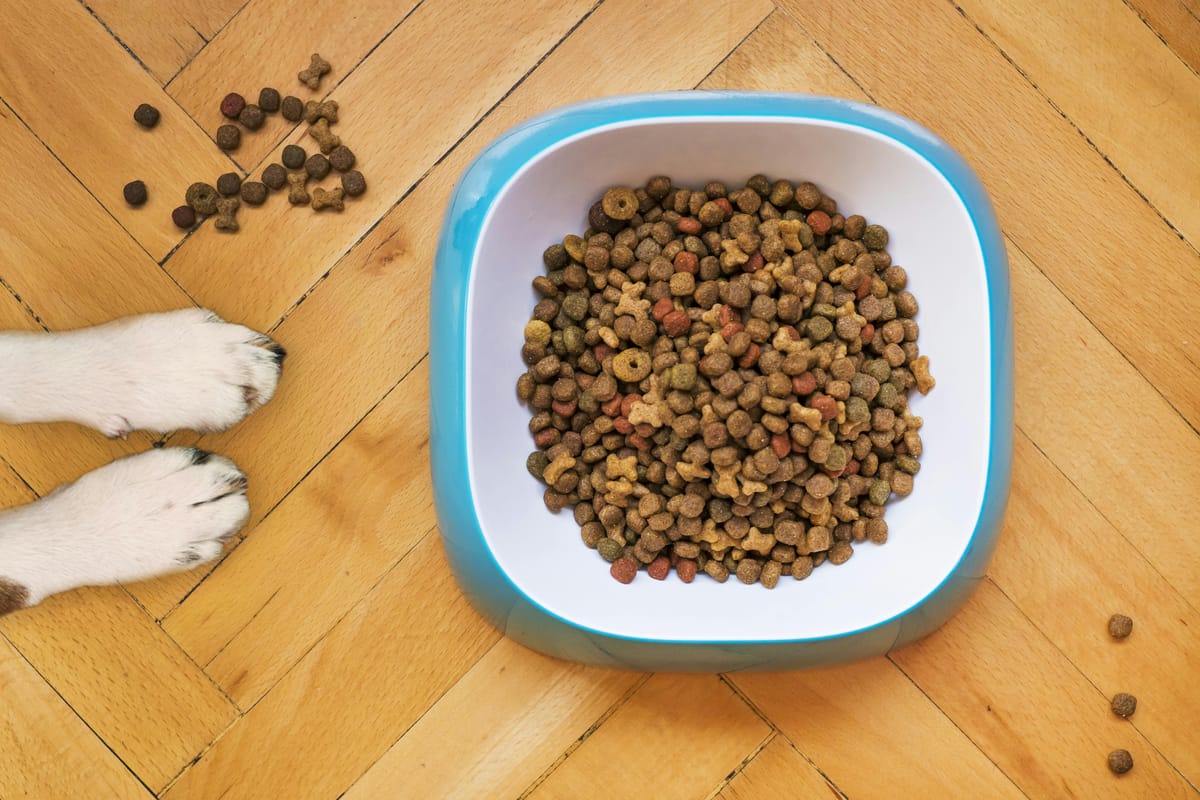
Why Its Cleanliness Matters More Than You Think
Every day, twice a day, you perform a small ritual. You walk to the corner of the kitchen, pick up a ceramic or stainless steel bowl, and fill it with fresh food or cool water. Your dog wags their tail, eats with enthusiasm, and walks away. You might rinse the bowl quickly under the tap, or perhaps you leave it until the next meal. After all, it is just their bowl. They are a dog. They lick things off the sidewalk. How clean does their dish really need to be?
The surprising answer is that your dog’s bowl deserves far more attention than most owners realize. What looks like a harmless layer of slime or a few dried kibble crumbs is actually a thriving microbial landscape. And while your dog has a robust digestive system compared to your own, that does not make them immune to the dangers hiding in an unwashed bowl. The difference between a healthy dog and a dog with mysterious stomach issues, recurring skin problems, or even serious illness could be as simple as the cleanliness of the dish you place on the floor twice a day.
Let us start with the most common culprit: the water bowl. Water bowls are deceptive. They look clean. The water appears clear. But within hours of filling a bowl, a invisible film begins to form on its surface. This film, called biofilm, is a living layer of bacteria, yeast, and fungi that adhere to the material of the bowl. In a dog’s water bowl, common inhabitants include bacteria like Pseudomonas, E. coli, and even Salmonella. These organisms thrive in room-temperature water, especially if the bowl is placed near a sunny window or a warm appliance. By the second day, that seemingly fresh water is hosting a microscopic party. Your dog drinks from it, lapping up not just water but millions of bacteria with every tongue curl. Most healthy adult dogs can handle this for a while, but over time, repeated exposure can lead to chronic low-grade digestive upset, vomiting, diarrhoea, or a suppressed immune system. For puppies, senior dogs, or dogs with existing health conditions, a dirty water bowl can lead to serious, even life-threatening infections.
The food bowl presents a different but equally concerning set of problems. Unlike water, dog food contains fats and proteins. When leftover bits of wet food or the greasy residue of kibble sit in a bowl, they become a perfect breeding ground for bacteria, particularly the notorious Salmonella and Listeria. These are the same pathogens that cause food poisoning in humans. And here is the part that many owners overlook: your dog may not show symptoms. Dogs can carry Salmonella in their digestive tracts without appearing sick. But they can shed those bacteria in their saliva and on their fur. When your dog licks your face, or licks their own paws and then walks across your kitchen counter, or when you touch their bowl and then prepare your own food, you are now at risk. The dirty dog bowl is not just a threat to your pet. It is a threat to everyone in the household, especially young children, elderly family members, and anyone with a compromised immune system. The bowl on your floor is a potential vector for cross-contaminate.
Beyond bacteria, there is the hidden danger of mould and mycotoxins. If you feed your dog wet food and leave remnants in the bowl for hours, especially in a warm or humid environment, mould can begin to grow. Some moulds produce mycotoxins, which are poisonous compounds that can cause tremors, seizures, and liver damage in dogs. This is not a rare, exotic danger. It is a predictable consequence of leaving damp, protein-rich food exposed to air at room temperature for extended periods. A dog who seems “off” after a meal, lethargic, drooling, or wobbly, may have consumed something toxic from their own bowl.
Another often-ignored issue is the material of the bowl itself. Plastic bowls are particularly problematic. They develop microscopic scratches over time, scratches that no amount of casual rinsing can reach. Bacteria and yeast colonize these tiny grooves, and for dogs who are prone to acne or skin allergies, this can be a nightmare. The dreaded “dog chin acne”, those red bumps and blackheads on a dog’s lower lip and chin, is often directly caused by bacteria-laden plastic bowls. Switching to stainless steel or ceramic bowls and washing them daily can clear up the condition within weeks. Ceramic bowls, while better than plastic, can also develop cracks in their glaze where bacteria hide. Stainless steel remains the gold standard because it is non-porous, durable, and easy to sanitize.
So how often is often enough? The gold standard for water bowls is daily washing. Every single day, you should empty the water bowl, scrub it with hot soapy water using a dedicated sponge or brush that you do not use for human dishes, rinse it thoroughly, and refill it with fresh water. If your dog is a messy drinker who drools food particles into the water, you may even need to wash it twice a day. For food bowls, the rule is even stricter: wash after every single meal. That means if you feed your dog twice a day, you wash the bowl twice a day. No exceptions. Wet food bowls should never sit out for more than thirty minutes after your dog finishes eating. Kibble bowls, while less immediately hazardous, should still be washed after each meal to remove the thin layer of fat and oil that clings to the surface. These fats go rancid over time and attract bacteria.
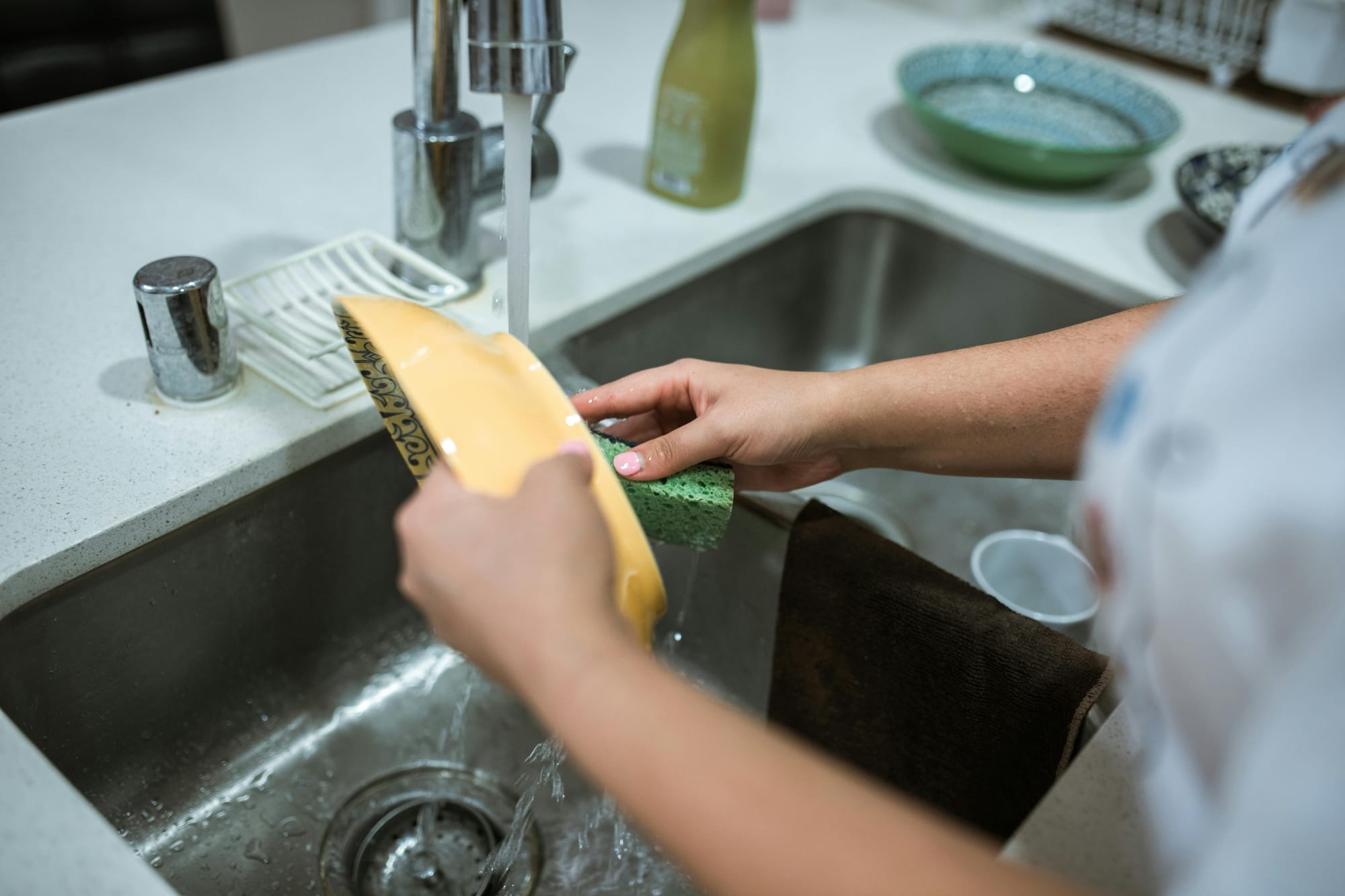
The method matters as much as the frequency. A quick rinse under cold water accomplishes almost nothing. You need hot water, dish soap, and physical scrubbing to break down the biofilm. After washing, rinse thoroughly because soap residue can also cause stomach upset. Once a week, it is wise to take the extra step of sanitizing the bowls. You can do this by soaking them in a solution of one tablespoon of bleach to one gallon of water for two minutes, then rinsing extremely well, or by running them through a dishwasher with a sanitizing cycle. The heat of a dishwasher is excellent for killing what your scrubbing might miss.
You might wonder if all this effort is truly necessary. After all, dogs have survived for thousands of years eating scraps and drinking from puddles. But here is the difference: the modern dog lives much longer than their ancestors. The repeated, low-level stress of bacterial exposure from a dirty bowl contributes to chronic inflammation, dental disease, and a gradual wearing down of the immune system. A dog who eats from a clean bowl is a dog who is less likely to need expensive vet visits for mysterious vomiting, less likely to develop antibiotic-resistant skin infections, and less likely to pass dangerous bacteria to the humans they love.
There is also a beautiful, simple reason to keep the bowl clean. It shows respect. Your dog depends on you entirely for their most basic needs. The act of placing a clean bowl with fresh food and water in front of them is a daily declaration of care. It says, “You matter to me. Your health matters. I will not cut corners when it comes to you.” Dogs notice consistency. They notice the small kindnesses. A clean bowl is not just about bacteria and biofilms. It is about the quiet dignity of being cared for properly.
The answer is clear and simple: you should wash your dog’s water bowl every single day and their food bowl after every single meal. No shortcuts. No rinsing without soap. No waiting until the bowl looks or smells dirty, because by then, a dangerous film of bacteria has already taken hold. The reasons are equally clear. A dirty bowl harbours harmful bacteria like Salmonella and E. coli, encourages mould growth that can poison your dog, contributes to skin problems like chin acne, and creates a hidden route for cross-contamination to your human family members. What seems like a small, fussy chore is actually one of the most impactful things you can do for your dog’s long-term health and for the safety of everyone in your home. A clean bowl costs you two minutes a day. A dirty bowl can cost you a trip to the emergency vet, weeks of chronic illness, or a difficult conversation with your doctor about a household infection. Your dog cannot clean their own bowl. They cannot tell you when the slime has become too much. They can only trust you to notice, to care, and to act. Be the owner who earns that trust. Wash the bowl. Every day. Your dog’s health, and your own, will thank you.