The broken heart on four legs
There is a silence that falls over a home when someone is missing. It is not the ordinary quiet of a sleeping house or the peaceful hush of a rainy afternoon. This silence has ...
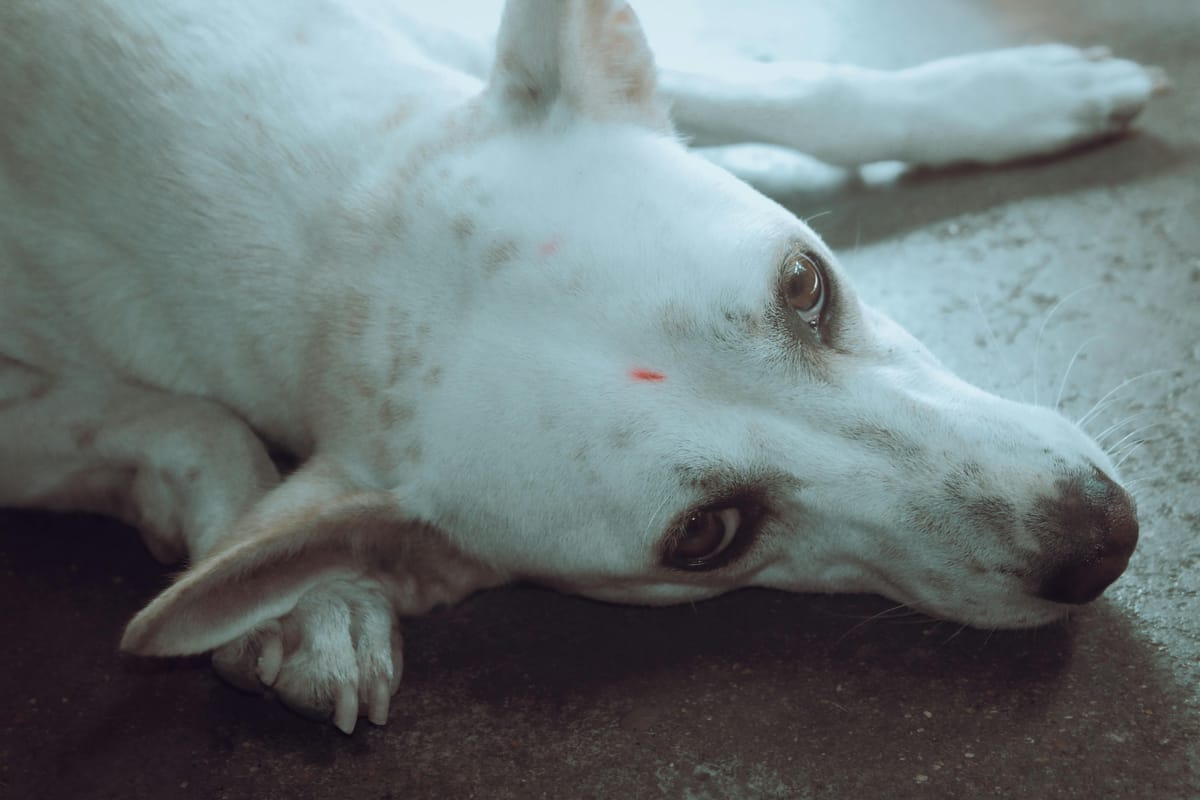
There is a silence that falls over a home when someone is missing. It is not the ordinary quiet of a sleeping house or the peaceful hush of a rainy afternoon. This silence has weight. It presses into the corners of every room and settles into the fur of the dog who remains. For too long, we believed that grief was a human emotion, too complex and too painful for an animal to truly feel. But anyone who has watched a dog search for a lost companion, or curl up in a vacant bed, or wait by a door that will never open again knows a different truth. Dogs grieve. They mourn. They carry a sadness that is as real and as heavy as our own.
Imagine a home where two dogs have lived together for years. They have shared meals, naps in the sun, and the quiet companionship of long afternoons. Then one day, one of them is gone. The remaining dog does not understand where their friend has disappeared. They only know that the world has become strangely empty. They may wander from room to room, sniffing the familiar places where their companion used to lie. They may stand by the empty bed, confused and searching. They may refuse to eat or lose interest in their favourite toys. This is not confusion or stubbornness. This is grief, pure and undeniable.
The signs of a grieving dog are often subtle, easy to miss if you are not paying close attention. A normally energetic dog may become withdrawn and quiet, spending hours sleeping in a corner. A dog who loved mealtime may sniff at their bowl and walk away. A dog who always greeted visitors with enthusiasm may barely lift their head when someone enters the room. Some dogs lose weight. Others develop anxious habits like pacing or whining. Some simply stare at the door, waiting for a return that will never come. Each of these behaviours is a sentence in a language of loss, a dog's way of saying that something essential has been taken from them.
Perhaps the most heart-breaking behavior is the search. Dogs have an extraordinary sense of smell, and they use it to navigate their world. When a companion disappears, the remaining dog will often revisit the places where that companion's scent lingers most strongly. The dog bed in the corner. The favorite spot on the sofa. The rug by the fireplace. They will sniff these areas deeply, as if trying to gather up every last molecule of their lost friend. Then, slowly, as the days pass and the scent fades, they seem to understand. Their searching becomes less frequent. Their visits to those sacred spaces become shorter. They are not forgetting. They are learning to live with the absence.
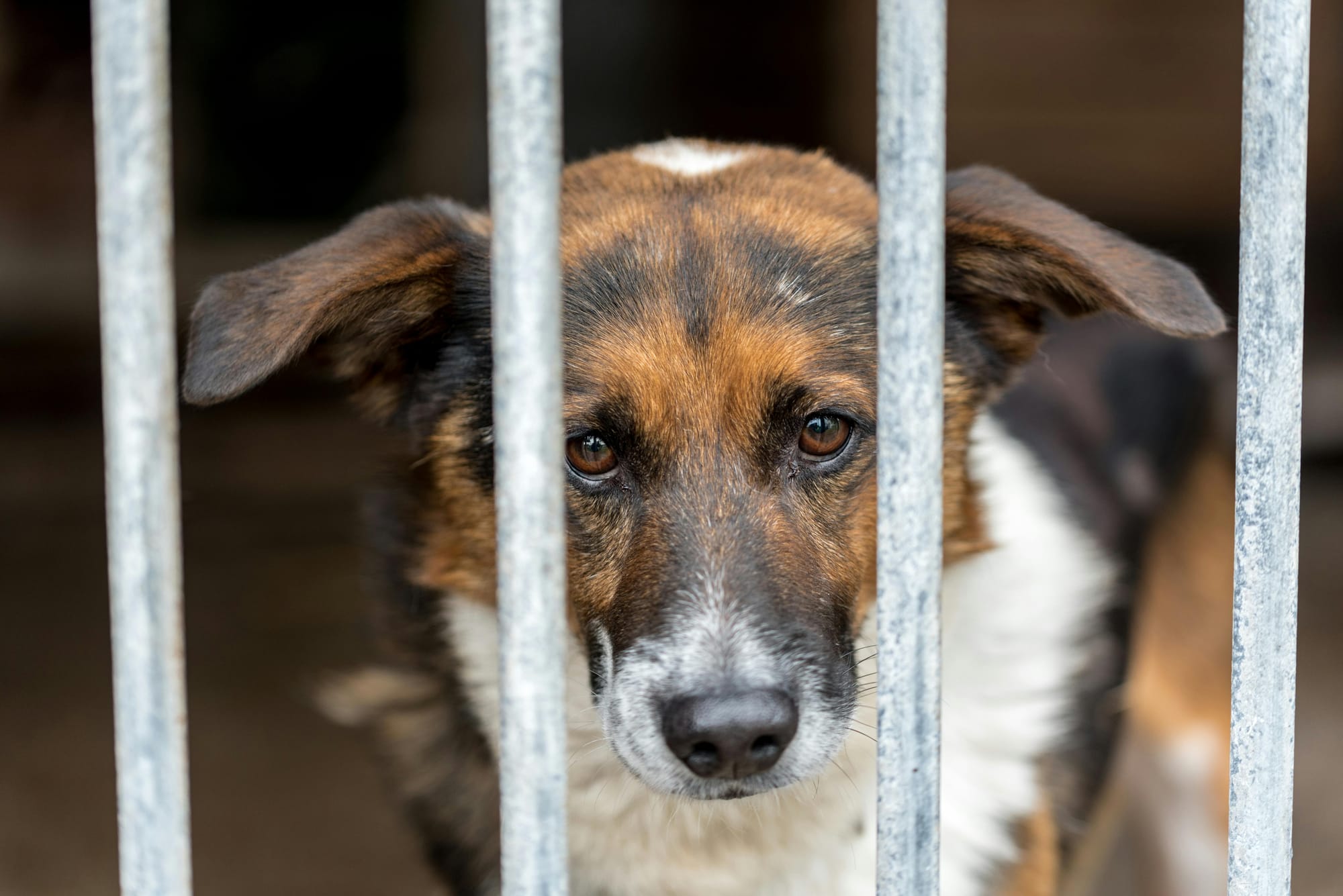
Dogs also grieve for their humans with the same depth of feeling. There are countless stories of dogs who have waited for years at train stations, gravesides, and front doors for an owner who will never return. These are not fairy tales or exaggerations. They are testimonies to a loyalty that transcends understanding. A dog does not measure time the way we do. A day, a month, a year can feel the same when you are waiting for someone you love. The dog does not give up hope because hope is not a choice for them. It is simply the air they breathe, the faith that their person will come back.
What can you do when your dog is grieving? The answer is both simple and profound. You stay. You do not try to fix their sadness or rush them through it. You sit with them in the quiet. You offer gentle touches and soft words. You maintain their routine, because routine is a comfort when everything else feels uncertain. You allow them to sleep on the old blanket that still smells like their lost friend. You do not scold them for being slow or sad or withdrawn. You recognize that grief is not a problem to be solved but a passage to be walked, and you walk beside them.
There is a beautiful truth that emerges from this shared sorrow. When you sit with your grieving dog, when you stroke their fur and whisper that you understand, something remarkable happens. You grieve together. Your sadness meets theirs, and in that meeting, neither of you is alone anymore. The dog who has lost their companion finds comfort in your presence. And you, carrying your own grief, find solace in the warm body curled against your side. Grief, when shared, becomes bearable. It does not disappear, but it transforms into something gentler, something that can be carried together.
The conclusion of all this is a tender reminder that dogs feel as deeply as we do, perhaps even more so because they have no defenses against their emotions. They cannot distract themselves with work or numb their pain with busyness. They simply feel, fully and completely, and then they heal in their own time and their own way. A dog's grief is not a mystery to be solved. It is a heart to be held. When you honour their sadness, when you give them permission to mourn, when you stay close and offer your steady presence, you are doing something sacred. You are telling them that their feelings matter, that their loss is real, and that they are not alone in their sorrow. And in time, slowly, like the first green shoots after a long winter, the joy returns. The tail wags again. The appetite returns. The dog emerges from their sadness, changed but not broken, carrying the memory of who they lost while still finding the courage to love the ones who remain. That is the gift you give each other. That is the quiet miracle of grieving together.