The dog older than 9 years old needs changes.
There is a quiet shift that happens in a dog’s ninth year. It is not a sudden collapse, not a dramatic event, but a subtle turning of the seasons within their body. The muzzle that was once richly collared begins to dust over with grey ...
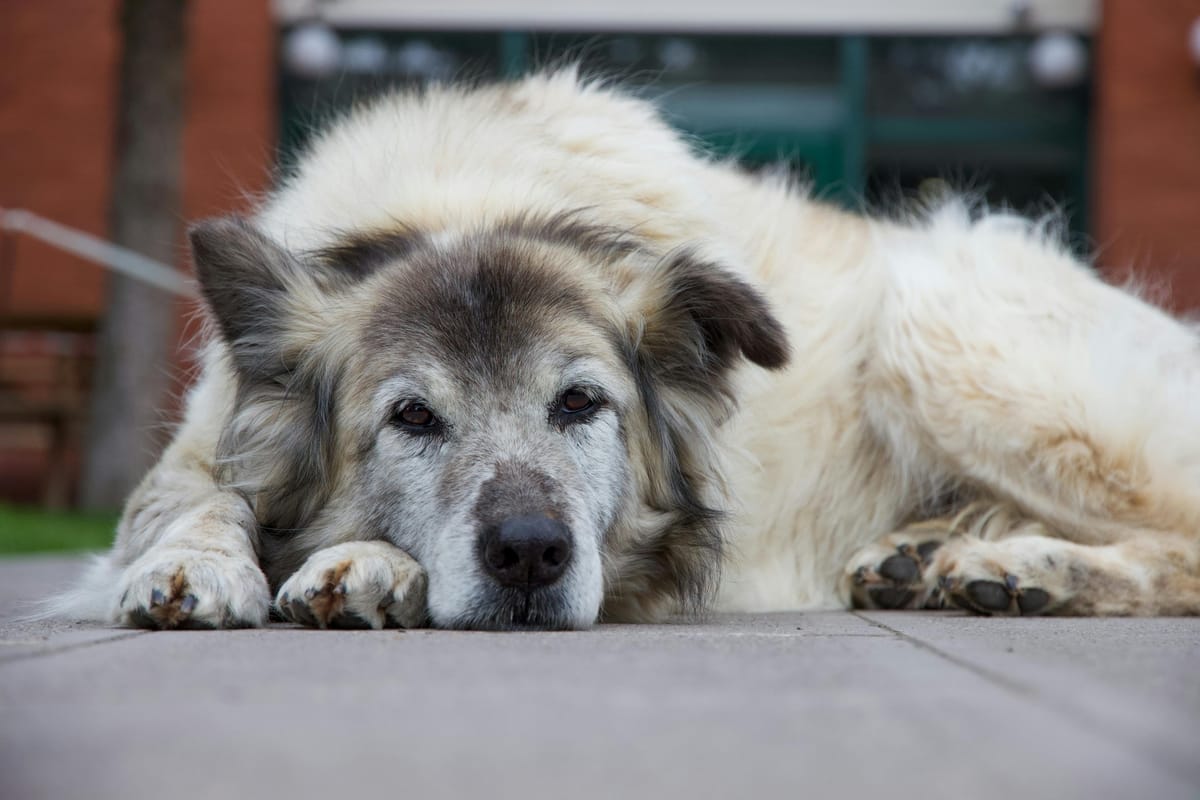
There is a quiet shift that happens in a dog’s ninth year. It is not a sudden collapse, not a dramatic event, but a subtle turning of the seasons within their body. The muzzle that was once richly collared begins to dust over with grey, like the first frost on autumn grass. The leap onto the sofa, once a joyful explosion of energy, becomes a measured calculation. The nine-year-old dog is not old in the way we think of illness or frailty, but they have entered a distinct and dignified stage of life that demands a fundamental change in how we see, feed, move, and love them. To treat a nine-year-old dog the same way we treated a four-year-old is not kindness; it is a slow and unintentional neglect.
The most urgent change must happen in the realm of exercise. For a young dog, movement is about expenditure—burning off excess energy, chasing the ball until legs wobble. For a senior dog, movement is about preservation. The goal shifts from tiring the dog out to keeping the machinery oiled. Cartilage wears thin, joints stiffen, and the beautiful, reckless sprint of youth now carries a risk of days of soreness. This does not mean stopping walks. It means reimagining them. The long, relentless march around the neighbourhood should give way to shorter, more frequent, and more sensory-rich outings. Let the nine-year-old dog stop and smell. Let them stand in the sun for a full minute. Let them choose the pace. The new rule of exercise is this: better to have ten minutes of gentle, mindful movement twice a day than one hour of dutiful walking that leaves them limping by evening.
The second profound change concerns rest and sleep. A younger dog collapses into sleep like a child falling into a pile of leaves, anywhere, any position, deeply and without thought. The senior dog needs intentional rest. Their body no longer recovers with the same speed. That hard tile floor they once sprawled across now feels like an enemy to their aching hips. The elevated bed they ignored for years becomes a necessity. Orthopaedics beds, heated pads designed for pets, and ramps up to the furniture are not indulgences; they are medical devices. Furthermore, the nine-year-old dog needs uninterrupted sleep cycles. A young puppy can be woken by a doorbell and bounce back instantly. A senior dog woken from deep sleep may take hours to truly relax again, their cortisol levels staying elevated long after the disturbance has passed. Protecting their sleep means protecting their health.
Nutrition must be reconsidered entirely. The food that built a strong young athlete may now be slowly harming an older dog. The high-protein, high-fat diet that powered a five-year-old’s endless energy can strain the kidneys and liver of a nine-year-old. The metabolism has slowed, and the body’s priorities have changed. It is no longer about building muscle; it is about maintaining lean mass while managing inflammation. Omega-3 fatty acids, glucosamine, and controlled phosphorus levels become more important than protein percentage alone. Many owners make the heart breaking mistake of watching their senior dog eat the same food with the same enthusiasm, not realizing that inside, the kidneys are working too hard, or the joints are missing key support. A nine-year-old dog does not need less love; they need a different bowl.
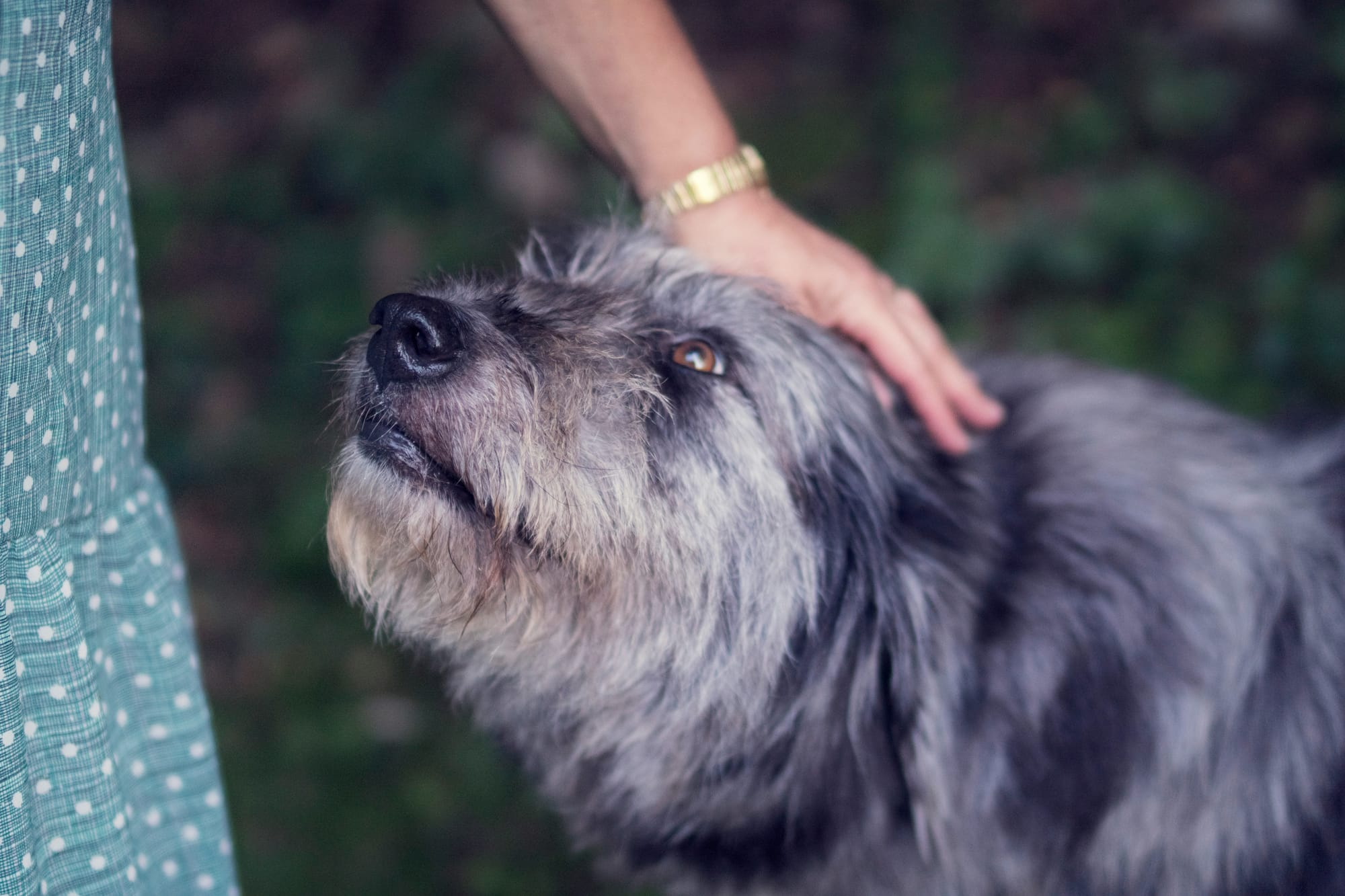
Perhaps the most overlooked change is mental. We assume an older dog is set in their ways, content with the familiar. And while routine is comforting, cognitive decline is a real threat. The nine-year-old brain is slower to process new information, but it still craves novelty. The mistake is to stop training. Too many owners say, "He knows all his commands," and cease all structured mental work. This is a tragedy. The senior dog needs small, achievable puzzles. They need short, positive training sessions for new, simple tricks. They need to sniff out a hidden treat or learn the name of a new toy. These tiny mental victories produce dopamine, the neurotransmitter of reward and joy, which helps stave off canine cognitive dysfunction, the cruel dog version of dementia. Keeping the mind gently active is as important as keeping the legs moving.
Veterinary care must shift from reactive to proactive. A young dog sees the vet for vaccines and the occasional mishap. A nine-year-old dog should see the vet as a partner in aging. This means semi-annual wellness visits, not annual ones. It means bloodwork that establishes baselines so changes are caught early. It means dental cleanings not for cosmetic freshness, but because dental disease directly damages the heart and kidneys. It means looking for the slight hesitation before climbing a step, the single ounce of water drunk more than yesterday, the one-minute delay in responding to their name.
The final change is the hardest because it is emotional. You must learn to see your dog differently. You must stop comparing them to their younger self. The dog who once hiked ten miles now chooses the shady spot after one mile. The dog who caught every frisbee now watches it sail by with a soft, uninterested gaze. This is not sadness. This is not giving up. This is the wisdom of age. Your job is to celebrate the mile, not mourn the ten. Your job is to find joy in the slow, warm, present-moment companionship that only a senior dog can offer. They have stopped racing through life, and they invite you to do the same.
The dog who has lived nine years has given you everything they had in their youth: their explosive energy, their endless patience for your mistakes, their willingness to follow you anywhere. Now they ask for something harder. They ask you to change. They ask you to see their stiffness and offer a ramp instead of frustration. They ask you to learn new food labels, to buy an orthopaedic bed, to take the short walk and call it victory. They ask you to love them not despite their age, but because of it. The nine-year-old dog does not need you to pretend they are still a puppy. They need you to become the guardian their older, wiser, gentler self deserves. And if you do this, if you make these changes with intention and grace, you will discover something remarkable. The senior dog loves you not with the wild, distracted love of youth, but with a deep, focused, present love that asks for nothing except to sit beside you in the quiet afternoon light. That love is the greatest gift of the ninth year. Do not waste it by refusing to change.