The language of dogs.
The language of dogs is not spoken but performed, written in ear twitches and tail positions, in yawns and winks ...
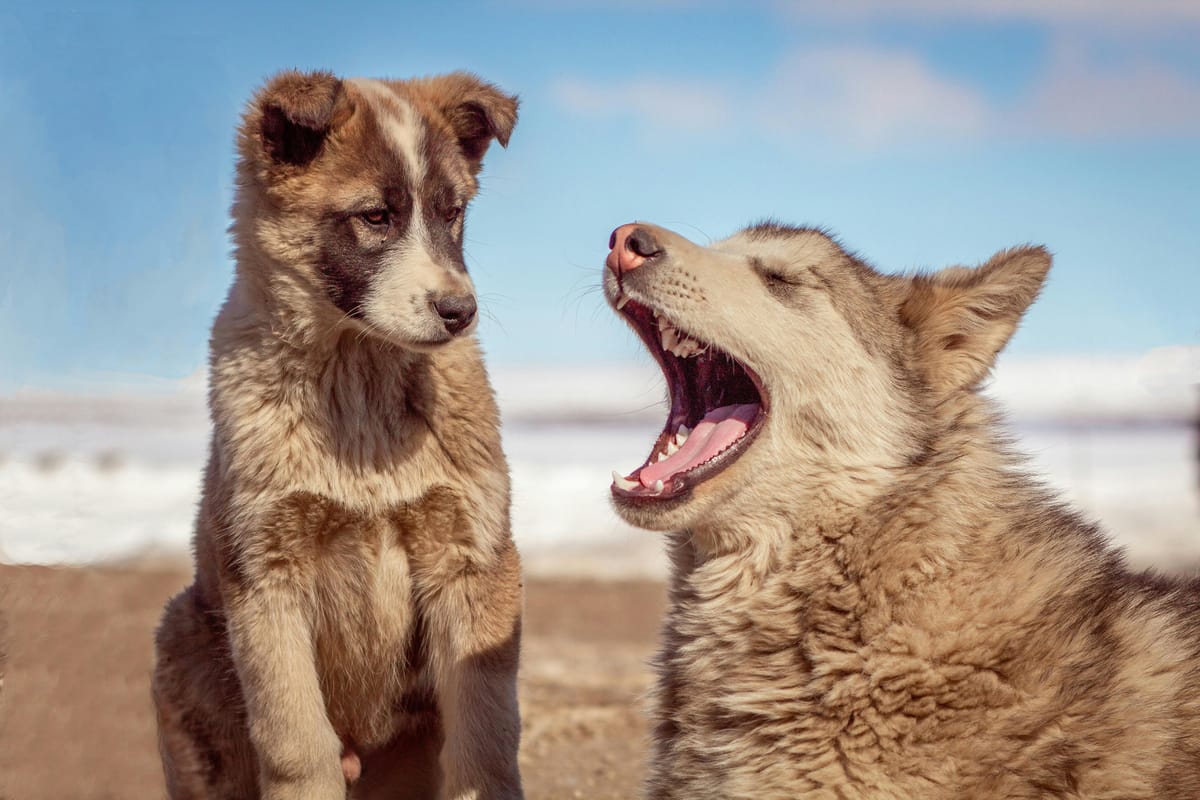
Imagine for a moment that you have travelled to a foreign country where no one speaks your language. You cannot ask for directions or order a meal or explain that you are lost. All you have are your hands, your face, and the tone of your voice to make yourself understood. This is the world your dog lives in every single day. They have no words, no sentences, no way to tell you exactly what they are thinking. And yet, they communicate constantly, fluently, and with remarkable precision. The language of dogs is not spoken but performed, written in ear twitches and tail positions, in yawns and winks, in the subtle shifting of weight from one paw to another. Learning to read this language is one of the greatest gifts you can give your dog, because it transforms your relationship from guesswork into genuine conversation.
Let us begin with the tail, perhaps the most famous instrument in the canine orchestra. A wagging tail does not always mean a happy dog, despite what cartoons have taught us. The secret is in the details. A tail held high and wagging stiffly, like a flag in a brisk wind, often signals alertness or even a challenge. A tail tucked low and wagging slowly, barely moving at all, speaks of nervousness or submission. The true happy wag is relaxed and full, sweeping from side to side in big, loose arcs, often accompanied by a wiggling back end. And here is a fascinating detail that many people miss. Scientists have discovered that a tail wagging more to the right side indicates positive feelings, while a bias toward the left may signal negative ones. Your dog's tail is not just wagging. It is telling you exactly how they feel, if only you know how to look.
Now consider the ears, those expressive triangles that act like mood antennas. When a dog's ears are relaxed and sitting naturally, they are at ease with the world. When the ears perk forward, pointing toward something like satellite dishes, your dog is interested, curious, and fully attentive. When the ears flatten against the head, pulled back like a swimmer's cap, your dog is frightened, anxious, or offering a peace signal to another dog. Some breeds with floppy ears are harder to read, but even their ears change position subtly. The base of the ear, where it attaches to the head, can lift or relax, giving you the same information if you know where to look.
The eyes of a dog are windows into a soul that feels very much like our own. A soft, blinking gaze with relaxed eyelids is a sign of trust and affection. When your dog looks at you with those gentle, half closed eyes, they are telling you that they feel safe and loved. A hard stare with wide, unblinking eyes is something else entirely. This is a warning, a signal that the dog is uncomfortable, threatened, or preparing to defend themselves. And then there is the whale eye, a term used by dog trainers to describe the moment when a dog turns their head away but keeps their eyes fixed on you, showing the white of the eye like a crescent moon. This is a sign of anxiety, a dog saying they are worried but trying very hard to be polite about it. Never ignore the whale eye. It is your dog asking for space before they are forced to ask more loudly.
The mouth and face of a dog create an entire vocabulary of their own. A relaxed, slightly open mouth with a gently lolling tongue is the classic happy dog face, the canine equivalent of a smile. But a closed mouth with tight lips and a wrinkled forehead speaks of tension and uncertainty. Have you ever seen your dog yawn when they are not tired? Yawning is not always about sleepiness. Dogs yawn to calm themselves in stressful situations, to diffuse tension during a conflict, or to signal that they are feeling overwhelmed. A dog who yawns repeatedly during a training session or a visit to the vet is not bored. They are telling you that they need a break. Similarly, lip licking when there is no food present, or a quick, nervous tongue flick across the nose, is a calming signal, a dog's way of saying they are feeling uneasy and trying to settle themselves down.
The posture of a dog's body tells a story that words could never capture. A playful dog lowers their front end to the ground while keeping their rear end high in the air, the famous play bow that is an unmistakable invitation to fun. This bow says, "Everything that follows is a game. I am not being aggressive. I am being silly. Please play with me." A confident dog stands tall with weight evenly distributed, head held high, tail up and waving slowly. A fearful dog makes themselves small, crouching low, tucking their tail, turning their body sideways to appear less threatening. A dog who is offering trust and affection will lean against you, pressing their full weight into your leg, a gesture that says, "You are my safe place. I am home."
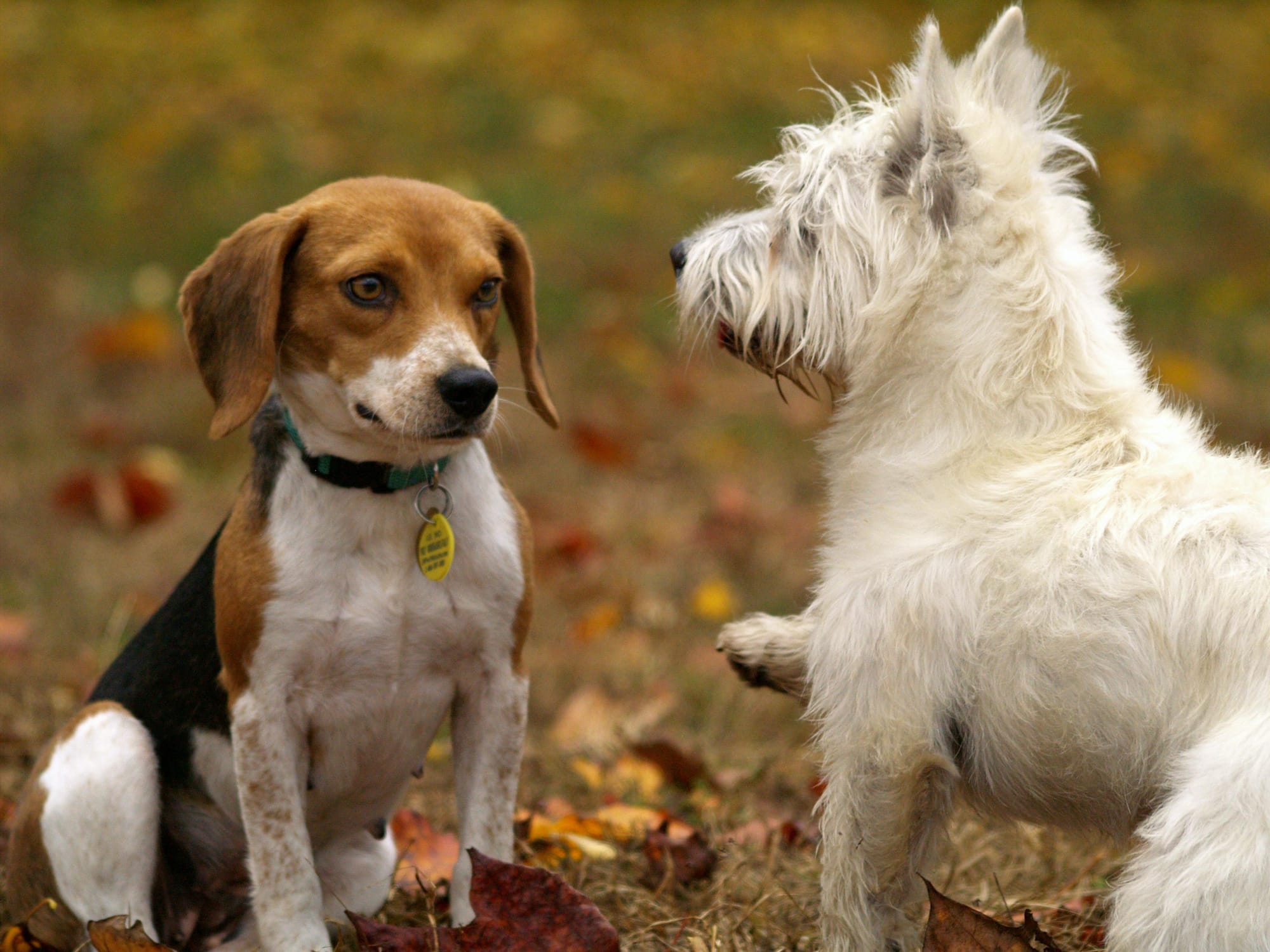
Perhaps the most overlooked part of canine language is the power of silence and stillness. A dog who turns their head away, who licks their lips and refuses to make eye contact, is not being stubborn or ignoring you. They are being polite. In dog language, direct staring can be rude or threatening. Looking away is a way of saying, "I am not a challenge to you. I mean no harm." When you understand this, you realize that your dog has been using manners all along. You simply did not know the rules of their etiquette.
The summary of all this is a gentle invitation to listen differently. Your dog has been talking to you since the moment they came into your life. They have told you when they are happy and when they are scared, when they want to play and when they need rest, when they trust you completely and when they are asking for a little space. The problem has never been that dogs cannot speak. The problem is that we have not been fluent in their language. But fluency is possible. It begins with watching instead of assuming, with patience instead of rushing, with the humble recognition that your dog has something important to say and deserves to be heard. Every tail wag, every ear flick, every soft yawn and gentle blink is a word in a beautiful language that has been spoken for thousands of years. The greatest gift you can give your dog is to finally learn how to listen. Because when you understand what they are saying, when you respond to their subtle signals with kindness and respect, something magical happens. The guessing game ends. The guessing game ends, and a real conversation begins, one built on trust and mutual understanding. And in that conversation, you will discover that your dog has been telling you they love you all along, in a language that requires no sound at all.