The secret language of dogs. Reading their body signals
We share our homes, our hearts, and our lives with them. We talk to them, celebrating their goofy antics and comforting them during storms. But how well do we truly listen? While our dogs may not speak in words, they are engaged in a constant, flowing conversation with us.
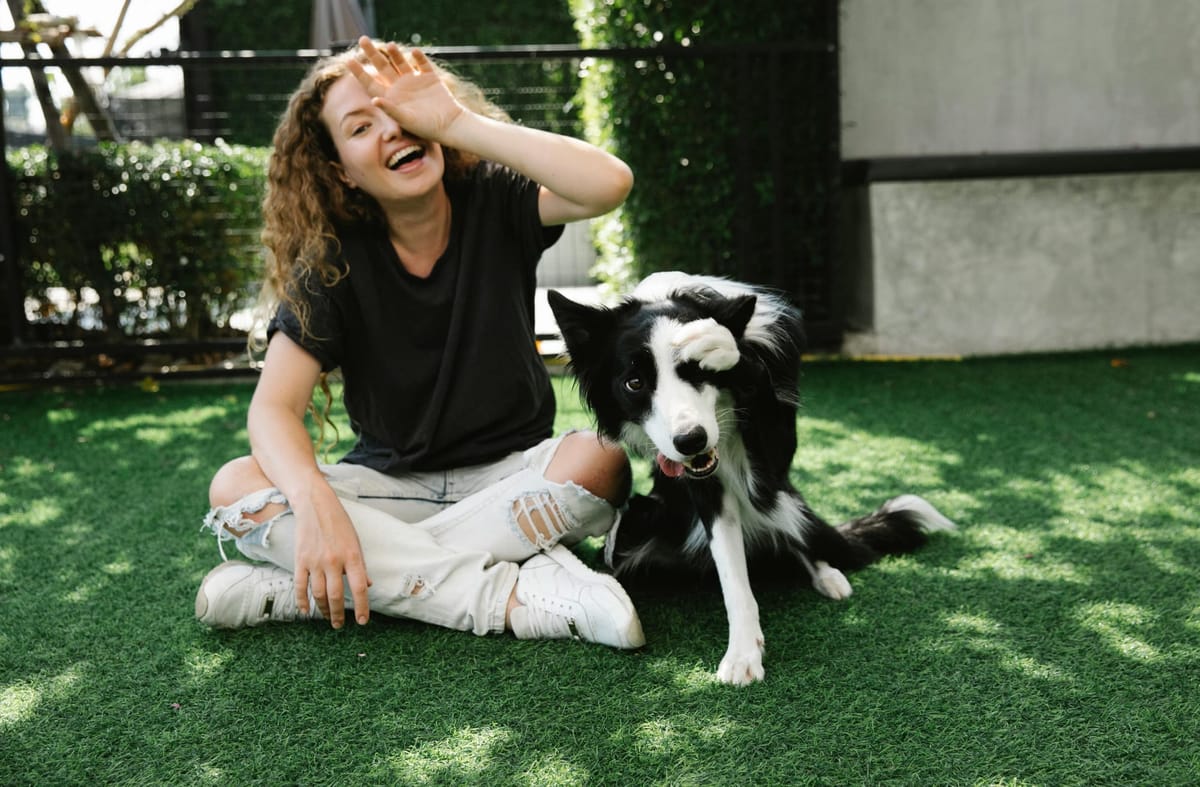
The Secret Language of Dogs: A Guide to Reading Their Body Signals
We share our homes, our hearts, and our lives with them. We talk to them, celebrating their goofy antics and comforting them during storms. But how well do we truly listen? While our dogs may not speak in words, they are engaged in a constant, flowing conversation with us. They communicate through a rich and fascinating "secret language", a complex system of body signals, postures, and expressions. Learning to interpret this language is one of the greatest gifts you can give your canine companion. It deepens your bond, prevents misunderstandings, and is essential for ensuring their happiness and well-being. A wagging tail doesn't always mean "I'm happy," and a yawn isn't always a sign of tiredness. To truly understand them, we must learn to decode their signals and see the world from their perspective.
The tail is often the first thing we notice, but it is also the most commonly misunderstood part of canine communication. The key to understanding it lies not just in the wagging motion itself, but in the speed, direction, and, most importantly, the height at which the tail is carried. A tail held high and wagging in short, stiff strokes is actually a sign of high arousal or alertness, indicating a dog that is assessing a situation and may be excited but also potentially guarded or anxious. This is a far cry from the happy-go-lucky wag we often imagine. In contrast, the broad, loopy wag that involves the whole hindquarters, with the tail held at a mid-level, is the true hallmark of a relaxed, friendly, and content dog. A tail held low, however, with hesitant and small wags, signals insecurity, uncertainty, or appeasement, as if the dog is trying to communicate that they are not a threat. Finally, a tail tucked tightly between the legs is one of the clearest signs of fear, stress, or intense submission, as the dog is attempting to make themselves as small and inconspicuous as possible.
A dog’s face is incredibly expressive, but you have to know what to look for beyond the obvious. The ears and eyes together form a powerful communication tool. When a dog is calm and comfortable, their ears will be in a natural, forward-but-soft position. Conversely, ears that are flattened back against the head can signal fear or anxiety, and when paired with a tucked tail, they often indicate a terrified animal. One of the most crucial stress signals to recognize is what is known as "whale eye." This occurs when a dog turns its head away from something but keeps its eyes fixed on it, showing the whites of their eyes. This is a clear warning that the dog is uncomfortable with a situation, perhaps when guarding a toy or being approached, and it is a signal to back off immediately. The quality of the dog's gaze is also telling; a relaxed dog will have soft, almond-shaped eyes with a calm gaze, while a stressed or highly focused dog will have "hard eyes" that appear rounder, wider, and with dilated pupils, which can be a precursor to defensive behavior.
The mouth offers another set of valuable clues that are often misinterpreted. A happy, content dog will typically have its mouth slightly open in a gentle pant, with the lips forming what looks like a soft, happy curve, sometimes called a "doggy smile." However, behaviors like lip licking and yawning, when they are not related to food or tiredness, are powerful calming signals that indicate a dog is feeling slightly anxious, confused, or is trying to diffuse a tense situation. You might observe this at the vet's office or when a stranger looms over them. A dog that is highly stressed may even gulp air, a sign of nausea or acute anxiety. On the more obvious end of the spectrum, a curled lip, bared teeth, and a snarl are unmistakable signs of aggression or fear-based defense, and it is vital to remember that a growl is an important warning signal that should never be punished, lest you get a dog that bites without warning.
Ultimately, the most important rule of reading dog body language is to never look at just one signal in isolation, but to read the entire animal to understand the full message. A relaxed dog will have its weight evenly distributed on all four paws, with loose muscles, a tail wagging softly at mid-level, a mouth open in a gentle pant, and soft ears, painting a picture of contentment.
In contrast, a stressed or anxious dog might be crouching slightly with a tucked tail, ears back, panting heavily with a tight mouth, and perhaps even raising one paw, all while yawning or lip licking. An alert dog will have a tense body, weight shifted forward, a tail held high and stiff, ears pricked forward, and a closed mouth, indicating they are focused on a potential threat or point of interest.
The most intense signals come from a fearful or aggressive dog, which will either try to look small by crouching low or try to look large with hackles raised, a stiff upright posture, and a hard stare. Becoming fluent in this secret language takes practice and patience. By learning to listen with your eyes and observing your own dog in different situations, you will move from being a simple owner to a true partner, capable of understanding their deepest fears and greatest joys, unlocking a new level of connection built on mutual respect.