Signs that show: your dog is really happy
While a dog’s emotional world isn’t identical to ours, modern animal behaviour science confirms that they experience deep emotions, including joy.
For centuries, we have shared a unique bond with dogs, one built on mutual affection and an unspoken language. We often anthropomorphize their behaviours, projecting our own emotions onto them. While a dog’s emotional world isn’t identical to ours, modern animal behaviour science confirms that they experience deep emotions, including joy. But unlike humans, who express happiness with a smile or a laugh, dogs communicate their contentment through a complex symphony of body language, vocalizations, and behaviors. Understanding this language is key to not only knowing if your dog is happy, but also to strengthening the profound trust and connection you share.
The most commonly recognized sign is, of course, the tail wag. However, the tail is not a simple happiness meter; it’s a nuanced communication tool. A classic happy wag is characterized by a mid-level, relaxed, sweeping motion that often engages the whole hindquarters in a full-body wiggle. This type of wag, where the tail moves in broad, balanced arcs, originates from the left hemisphere of the brain, which is associated with positive feelings and approach behavior. In contrast, a tail held high and stiffly vibrating back and forth in short, sharp movements can signal arousal, excitement, or even a potential challenge. The key lies in the context and the overall posture: a soft, wriggling body paired with a sweeping tail is a hallmark of unbridled joy.
Moving up from the tail, the posture of the body itself tells a rich story. A truly happy dog carries their body in a relaxed, fluid manner. They are not tense or stiff. Their weight is distributed evenly, and they often display the iconic play bow- front legs stretched out, chest low to the ground, with the hindquarters elevated and tail wagging furiously. This posture is an unambiguous invitation for play and a signal that whatever follows is intended in good fun. It’s a cornerstone of canine social interaction, a way of saying, everything I’m about to do is a game.
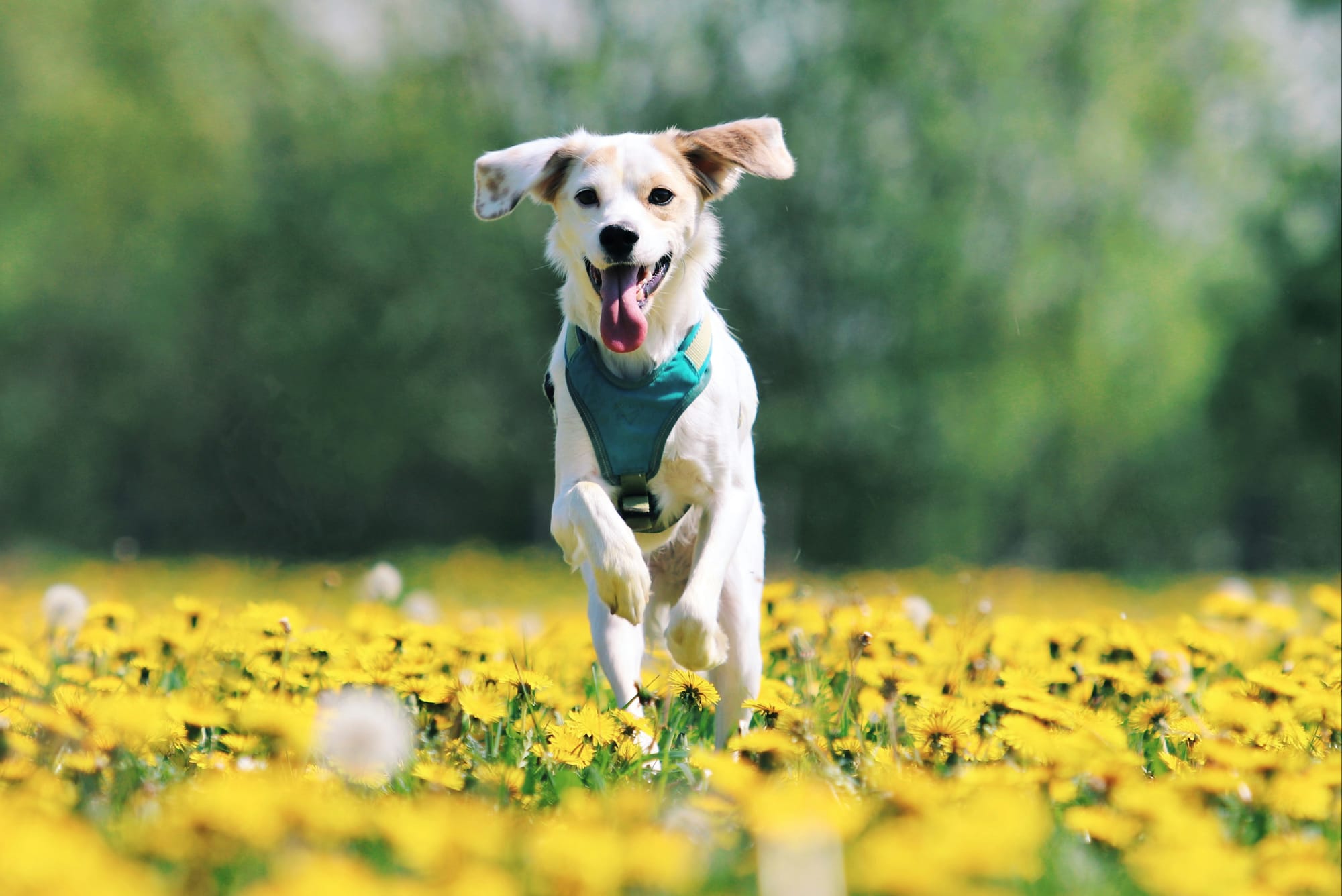
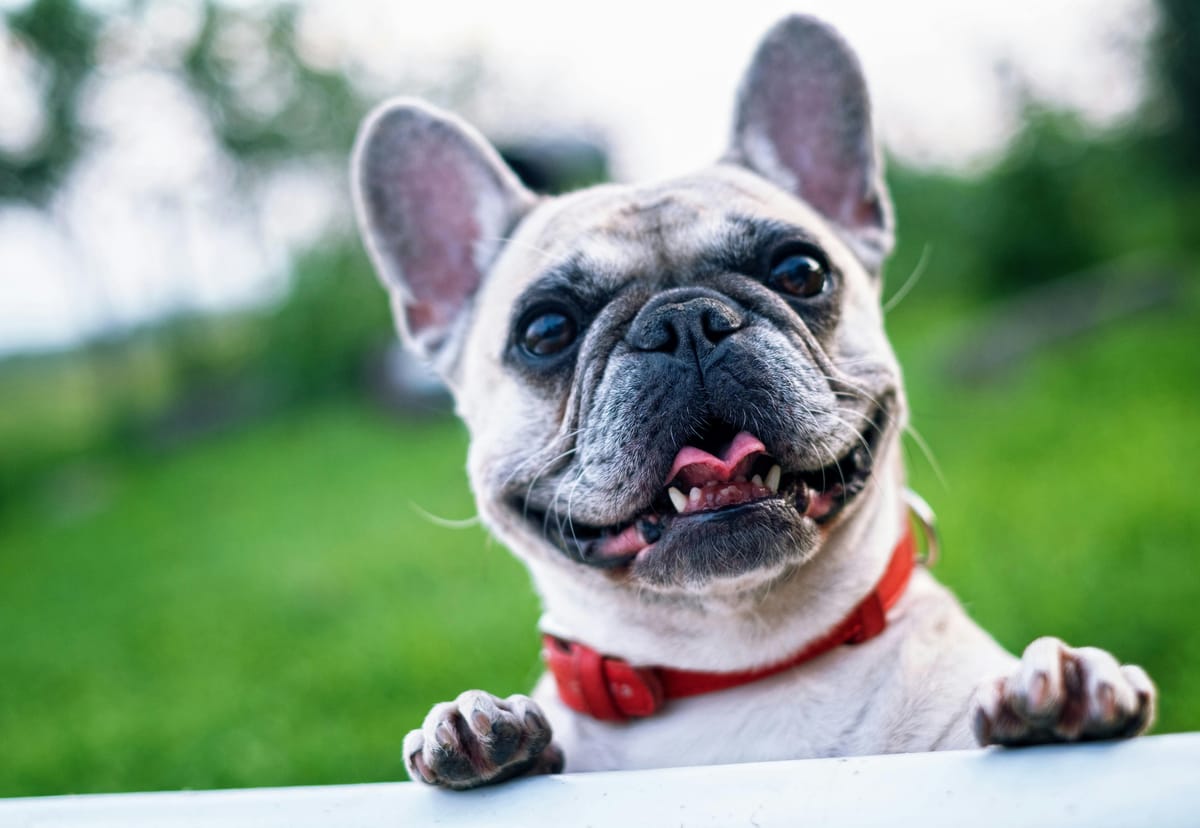
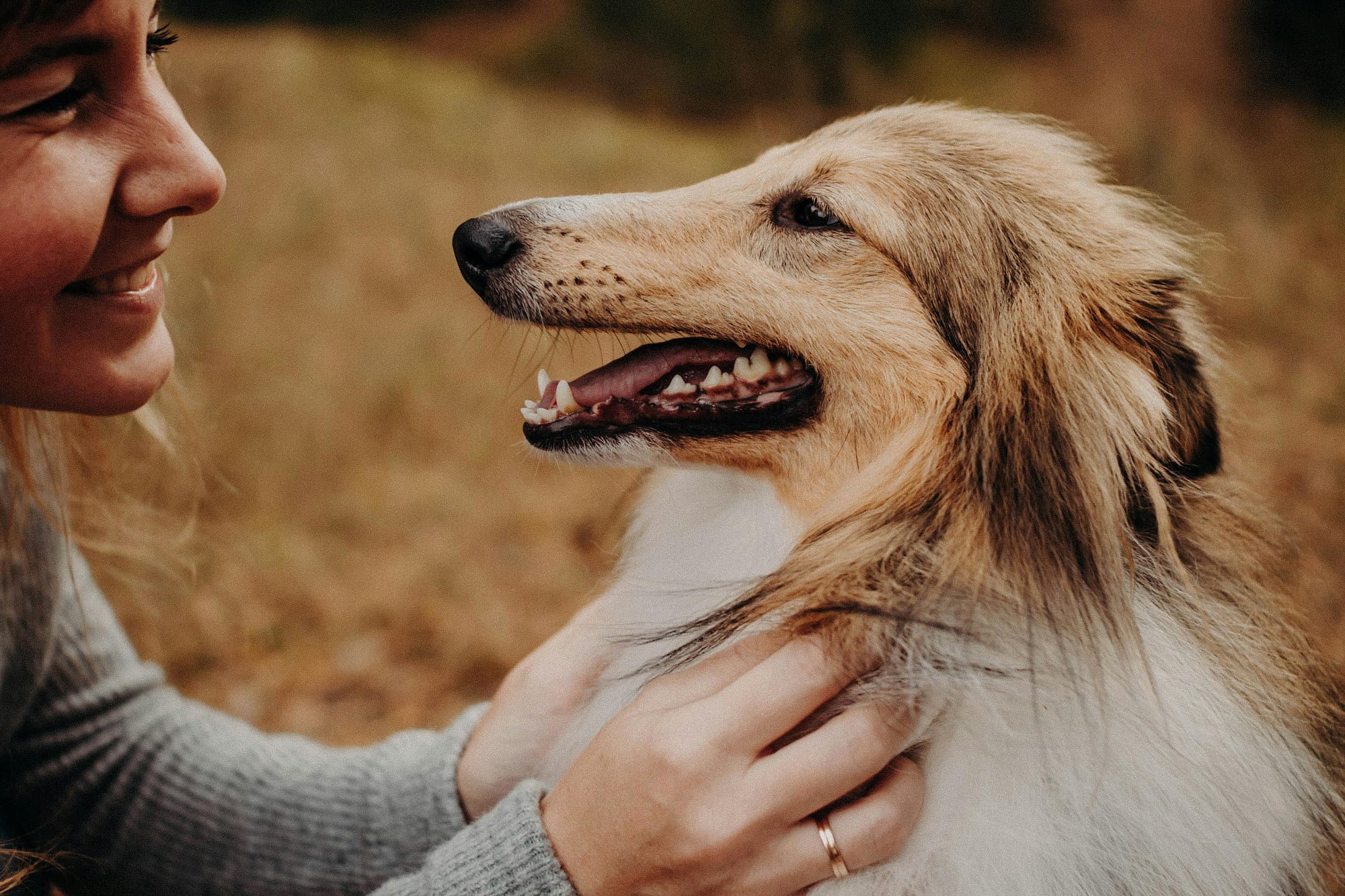
The face of a content dog is perhaps one of the most expressive, though it requires a careful eye. While dogs don’t smile in the human sense, they have a distinct relaxed open mouth. This involves a soft, slightly open jaw with the tongue lolling out, often accompanied by what looks like a gentle pant. The corners of the mouth are turned up subtly, creating an expression of ease. Contrast this with a stressed or anxious dog, whose mouth is often clamped shut, lips tight, or pulled back in a tense “grimace.” The eyes are equally telling. A happy dog’s eyes are soft, with a normal, relaxed shape. They will often offer -soft eye contact a gentle, unthreatening gaze that is a sign of trust and affection. They might also engage in “squinty eyes” when being petted or spoken to gently, a clear signal of pleasure and contentment.
Perhaps one of the most fascinating and scientifically studied indicators of canine happiness is the play bow. This behavior is so ingrained in canine communication that it serves a metacognitive purpose. Ethologists (scientists who study animal behavior) have observed that dogs use the play bow to punctuate their actions. A dog might chase another, then drop into a bow to signal that the chase was a game. They might grab a toy and bow to their human, inviting participation. It’s a tool to prevent misunderstandings, ensuring that actions like nipping or wrestling are interpreted within a playful context. The frequency and enthusiasm of play bows are a powerful indicator of a dog’s emotional well-being, signaling a desire for positive social interaction and a level of comfort in their environment.
Beyond body language, vocalizations offer another layer of insight. While a high-pitched, staccato bark can be part of excited play, true contentment is often found in softer sounds. A series of excited “huffs” or sneezes are frequently incorporated into play. Scientists believe dogs “sneeze” during rough-and-tumble play to signal that their playful nips are not actual bites, serving a similar purpose to the play bow. And then there is the sigh. A deep, contented sigh, often accompanied by a dog settling down after a bout of exercise or a good meal, with their head resting on their paws, is a canine equivalent of saying, “All is right in my world.”
A happy dog is also a curious dog. They exhibit a healthy, engaged interest in their environment. This isn’t about frantic, anxious pacing, but rather a relaxed yet attentive exploration. They will sniff the ground on a walk, investigate new sounds with pricked ears and a tilted head, and engage with their favorite toys with enthusiasm. A dog that is happy in their home is not destructive out of boredom; instead, they will bring you a toy, drop it at your feet, and look up expectantly, inviting you to share in their joy. This act of sharing a valued possession is a profound sign of trust and a desire for joint activity.
Sleep is another critical, yet often overlooked, barometer of happiness. A truly content dog feels safe and secure in their environment. This is reflected in their sleep patterns. A happy dog will sleep in vulnerable positions, such as on their side with legs extended, or even on their back with all four paws in the air—the infamous “roaching” position. Exposing their belly, the most vulnerable part of their body, indicates they feel no threat and are completely at ease in their surroundings. Restful, deep sleep without constant startle responses is a sign that their emotional and physical needs are being met.
Finally, a happy dog has a healthy appetite and a consistent routine. While stress can manifest as a loss of interest in food, a content dog typically approaches mealtimes with eagerness. This doesn’t mean they should be gluttonous or food-obsessed, but a reliable interest in eating is a fundamental sign of physical and emotional health. This ties into the importance of predictability. Dogs thrive on routine. A happy dog is a dog that knows what to expect—when walks happen, when meals are served, and when it’s time for quiet affection. This predictability reduces anxiety and fosters a sense of security, which is the foundation upon which happiness is built.
Understanding your dog’s happiness is less about looking for one single signal and more about appreciating the entire picture. It is found in the combination of a soft, wriggling body with a sweeping tail, the invitation of a play bow, the relaxed open-mouthed “smile,” and the gentle trust of soft eye contact. It is heard in the playful sneeze during a game and the deep, contented sigh at the end of a good day. It is seen in the curiosity they show toward the world, the vulnerable positions they sleep in, and the toys they proudly share. True dogs happiness is a state of being rooted in security, trust, and a deep sense of connection with their human companions. When you learn to recognize these signs, you move beyond simply owning a dog to truly understanding them, ensuring their well-being is not just assumed, but clearly and joyfully confirmed.